
Grade: k To
4
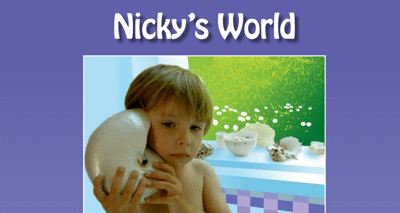
In this illustrated story Nicky discovers where different products, foods, clothes and toys come from, and where the primary resources for them are found, grown or manufactured. Suitable for Foundation to Year 4, meets learning outcomes in Geography and E
Grade: 6 To
10
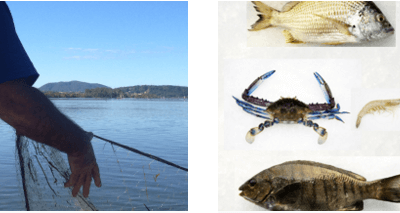
This website features Master fishermen who have been certified by Oceanwatch Australia for their responsible fisheries management and practices. It includes fisher profiles, information about where they fish, what they catch, their sustainable practices.
Grade: 5 To
6
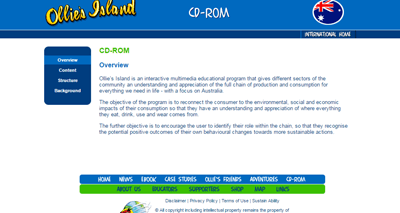
The Ollie's Island CD-ROM and website lessons, work units and case studies help students learn where the items they eat, drink, use and wear come from, and about the social, environmental and economic impact of their production. An engaging set of materia
Grade: k To
2
This unit consists of a pdf resource and two supporting videos. It aims to help teachers and students in junior primary classes explore Australian farms as places where people live. Students are given an insight into ways Australian farmers are producing
Grade: 9 To
12
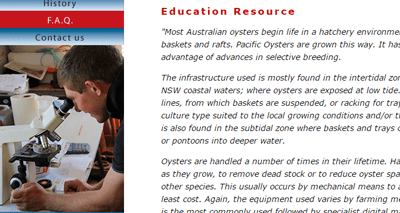
Produced by a commercial oyster growing company in Tasmania, this web site provides a series of microscopy slides in a Powerpoint presentation. They show details of the oyster from the egg, fertilisation, cell division and stages of development. Includes
Grade: 3 To
4
A set of three resources offering an inquiry based approach to: investigating food and fibre production and food technologies used in modern and traditional societies (supports the learning of English, Science, History); using the journey of food to intro
Grade: 7 To
12
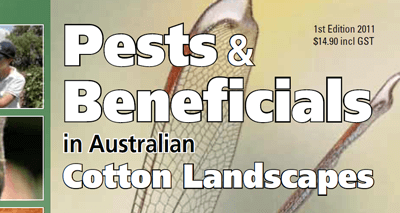
A 98 page pdf guide about integrated pest management in cotton. It includes sections on pest management principles and practices, pest and beneficial insect identification. The guide takes us to a new era by introducing the role native vegetation can play
Grade: 7 To
9
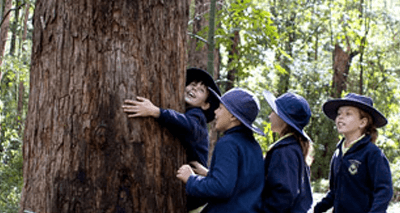
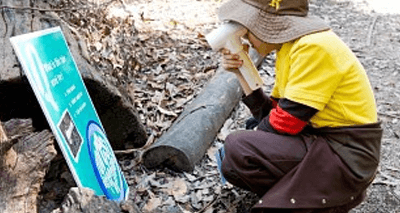
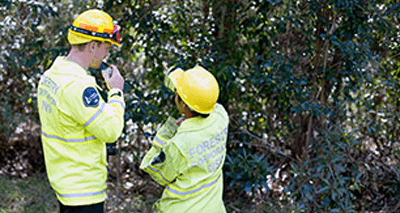
In this lesson students will examine and compare different forests types. They will learn how to identify major tree types and understand how they are used, what ecosystem services they provide, and the professional role of Foresters in managing forests.
Grade: k To
6
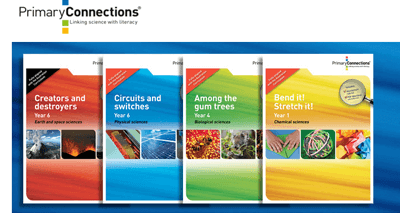
A series of curriculum and professional learning resources that link the teaching of science and literacy. Primary Connections provides curriculum units that support science teaching from Prep to Grade 6. Each unit describes outcomes, step-by-step lessons
Grade: 3 To
6
Activities and lesson plans for year 3-6 students for a forestry unit of study. Lesson ideas and activities are specifically designed to allow maximum flexibility in catering for different needs in the classroom.
Grade: 7 To
8
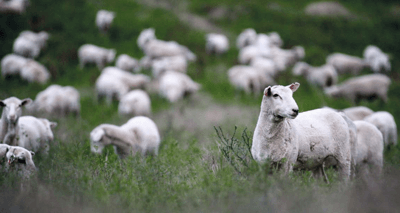
This unit consists of a pdf resource and two supporting videos. It encourages students to examine aspects of cattle and sheep production and the things that farmers are doing to produce their cattle and sheep sustainably. Students explore methods and tech
Grade: 9 To
12
A three minute video that explains Queensland beef production, marketing, export and quality control for world markets. It highlights the size and diversity of the beef industry, along with its high standards in biosecurity, food safety, animal welfare an
Grade: 5 To
5
For Year 5 Science. A downloadable pdf file that includes a unit overview and a series of lessons, resources, activities and tasks. The content descriptors for these units are from the Australian Science Curriculum Version 2.0. The focus of these Units ha
Grade: 8 To
8
For Year 8 Science. A downloadable pdf file that includes a unit overview and a series of lessons, resources, activities and tasks. The content descriptors for these units are from the Australian Science Curriculum Version 2.0. The focus of these Units ha
Grade: 3 To
3
For Year 3 Science. A downloadable pdf file that includes a unit overview and a series of lessons, resources, activities and tasks. The content descriptors for these units are from the Australian Science Curriculum Version 2.0. The focus of these Units ha
Grade: 6 To
6
This unit consists of a pdf resource and two supporting videos. It has five inquiry teaching sequences about researching the local region and what it produces. The unit encourages students to investigate their local region and design a user guide for visi
Grade: k To
6
RIPPER II: Growing Kids on Farms is an evidence based farm safety resource that has been independently evaluated and extensively used across Australia over the past 5-7 yrs (last updated in 2008). Whilst primarily meeting the K-6 HPE / PDHPE primary scho
Grade: 7 To
7
In this lesson students will examine the various roles forests play in protecting the environment. They will understand, measure, and calculate water and air quality parameters used as indicators of environmental health, and interpret their findings.
Grade: 9 To
12
Australians are among the biggest consumers of lamb in the world. This two-page PDF lists this and other interesting facts and figures about the national flock, production, consumption and exports. Teachers or students can develop understanding of the she
Grade: 7 To
8
In this theory lesson, students will discover some of the key socio-political factors relating to Australian forestry and learn how these relate to land use and the impact of native forest management. They will be provided with information to help develop
Grade: k To
10
Over 100 resources for school lessons on agriculture, farming and the environment. Includes videos covering a wide range of topics such as beef production, wetlands, horticulture, wine, droughts, waterways, and Aboriginal land use.
Grade: 9 To
9
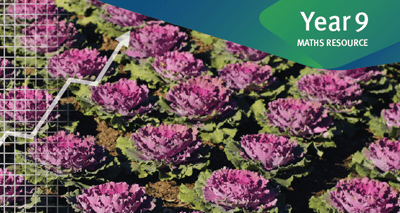
A teacher guide on statistics and probability – data representation and interpretation. Using a real-life agricultural scenario, students calculate relative frequencies to estimate probabilities, list outcomes for two-step experiments and assign probabili
Grade: 7 To
12
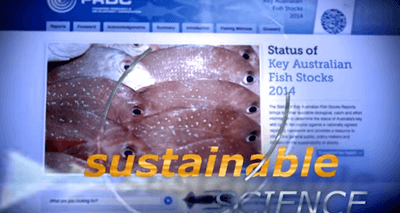
This website brings together available biological, catch and effort information to determine the status of Australia’s key wild catch fish stocks and provides a resource to inform the general public, policy makers and industry on the sustainability of sto
Grade: k To
6
This website details how students all around Australia are getting their hands dirty and learning how to grow, harvest, prepare and share fresh, seasonal food. Links are provided to teacher resources, student activities and ways to get your school involve