
Grade: 9 To
12
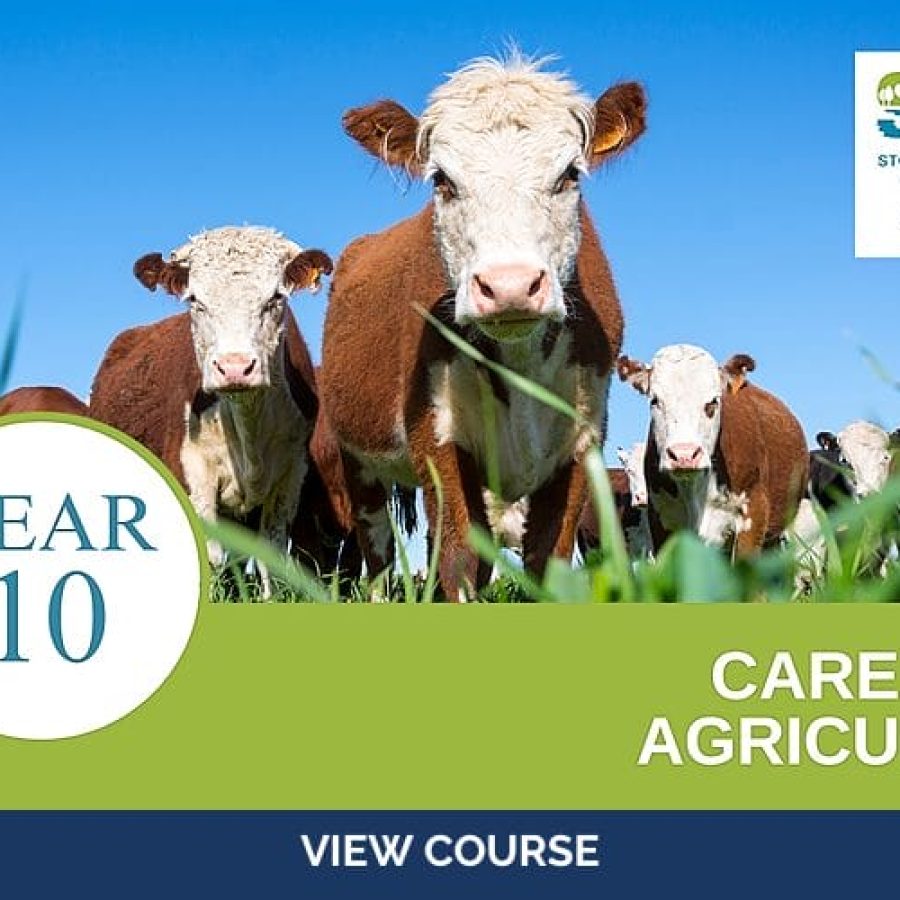
The Future Farmers Resource provides information to teach students about farm safety. This downloadable PDF booklet is suitable for teachers of Year 9 & 10 agriculture students. This updated version can support farm safety learning in classroom or school-
Grade: 5 To
6
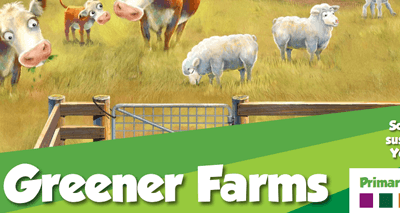
This guide is a valuable resource for the study of sustainable farming for the future of food production. Linking with Stage 3 Australian Curriculum Science syllabus, it has been developed for the Science Understanding, Science Human Endeavour and Science
Grade: 7 To
10
Students will learn about Geographical Information Systems and how they can be used in forestry.
Grade: k To
6
Follow George the Farmer on his amazing musical farm adventures where he learns about the paddock to plate, seed to shelter or wool to quilt journey of some of Australia's favourite foods and fibres. Now showing on the ABC and ABC iView!
Grade: 3 To
10
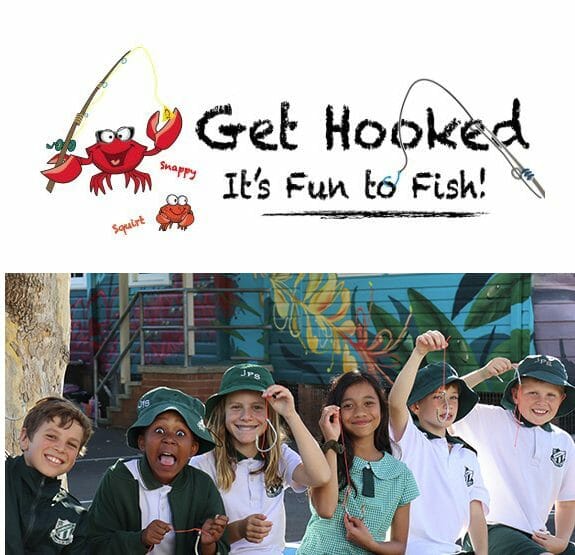
Join the thousands of school students in NSW who have been part of our free and fun NSW Schools Program! Our program will introduce students to all things fishy, when your school registers to the NSW DPI's FREE Get Hooked... It's Fun to Fish program designed for school students from Stage 2 in NSW, including High School students.
Grade: 10 To
12
Year 10-12 excursions exploring DNA and PCR for Victorian students
Grade: 7 To
10
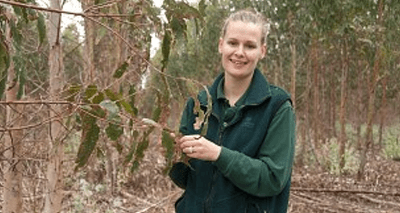
This lesson accompanies the Going Bush video in which students will learn about the biodiversity of a tropical and temperate forest in Coffs Harbour, NSW. Students will learn about threatened and endangered species and the significance of preserving fores
Grade: 6 To
10
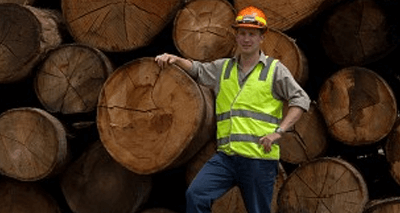
In this lesson students learn about the origins and production of timber power poles, how and why trees are selected for power poles and why they are harvested from native forests.
Grade: 5 To
12
In this lesson, students examine the various demands for native and plantation forests and the different uses for wood sourced from these forests.
Grade: 8 To
8
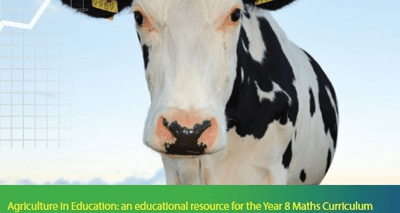
A resource on year 8 mathematics in the area of statistics and probability. Covers 'investigate the effect of individual data values, including outliers on the mean and median'. ACMSP207. The resource provides a dairy farm context and herd data to engage
Grade: 5 To
10
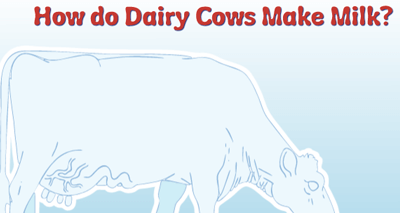
An animated resource showing the systems of organs and flows involved in the digestion and lactation of a dairy cow. A diagram of a cow is shown, with text underneath and animation to highlight the organs and illustrate the flows in the systems. The resou
Grade: 7 To
10
This resource examines the properties of carbon and how to use formulas for calculating carbon storage. It provides information on how some carbon is lost during processing and manufacturing, whilst most is recovered and used then stored for the life of t
Grade: 7 To
10
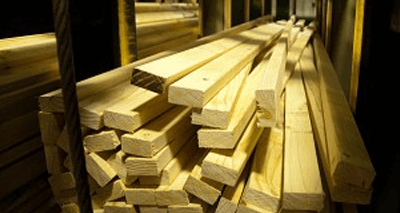
Students will learn about the different types of manufactured wood products and about innovative techniques to produce manufactured wood products.
Grade: 7 To
12
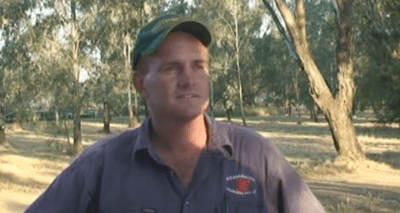
A video interview with one of the cotton industries innovative cotton farmers, Andrew Watson. It includes sections on learning what makes the cotton farm sustainable, efficient and prosperous. It discusses the farm’s philosophy, use of integrated pest man
Grade: 3 To
6
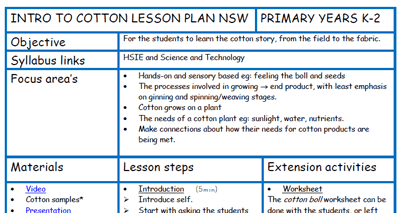
For HSIE, Sustainability. This lesson is a great introduction to cotton from growth to end product with least emphasis on spinning and weaving. The lesson touches on how the natural environment has been modified to suit our needs (e.g.land cleared, channe
Grade: k To
2
For HSIE, Sustainability. This lesson is a great introduction to cotton from growth to end product with least emphasis on spinning and weaving. This lesson looks at how the cotton plant grows, the needs of the plant (e.g. sunlight, water, nutrients) and h
Grade: 7 To
8
This unit consists of a pdf resource and two supporting videos. It has five inquiry teaching sequences about how food and fibre is produced, processed and brought to consumers. The unit encourages students to investigate new and existing practices used to
Grade: 7 To
8
This unit consists of a pdf resource and two supporting videos. It has five inquiry teaching sequences about how fibres are produced, processed and brought to consumers. The unit encourages students to investigate new and existing production practices use
Grade: 3 To
4
This unit consists of a pdf resource and two supporting videos. It encourages students to investigate how foods and fibres are produced. It includes sections on foods and fibres we use; how food and fibre are obtained; their production systems; and techno
Grade: k To
2
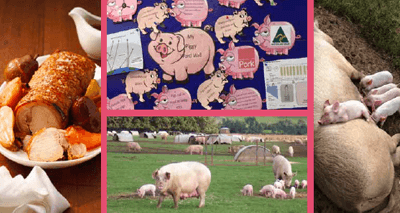
This unit encourages students to examine aspects of pork production and the things that farmers are doing to care for their pigs that are grown, raised and processed for food.
Grade: 5 To
10
Nine videos on the basics of keeping poultry in schools, produced by the Poultry CRC. They include choosing birds, housing, feeding, watering, management, health and preparing birds for show.
Grade: k To
10
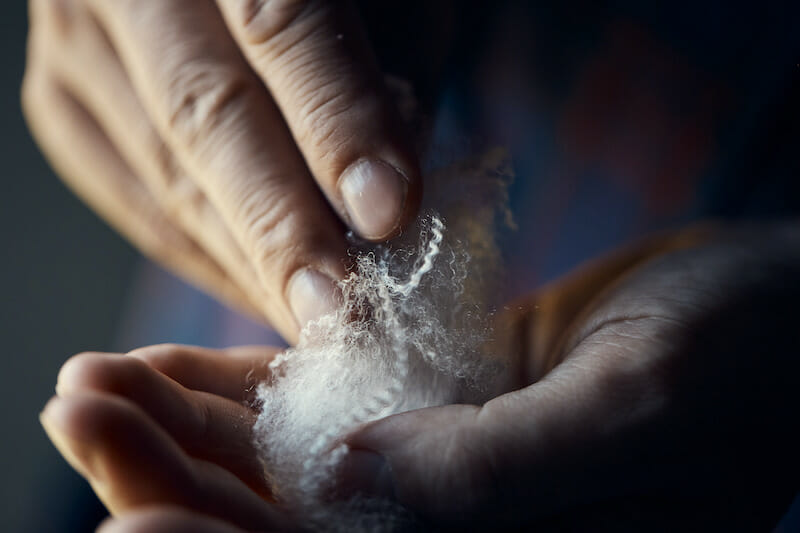
Developed by Australian Wool Innovation in conjunction with teachers, this flexible and interactive range of resources can be easily incorporated into everyday classroom activities and support the development of students in line with curriculum guidelines
Grade: 5 To
5
A set of resources including teacher guide, powerpoint presentations, students cards and activities. Students are able to create and use a legend to describe a landmark on a map, use directional language to describe a route and use a grid reference system
Grade: 8 To
9
For Science year 8 and Agriclture year 9. This unit of 20 X 40 minute lessons looks at plant reproduction using the cotton plant as an exemplar. It is aligned to the Australian Curriculum. It looks at how plants and animals reproduce, plant and animal cel