

Grade: 4 To
6
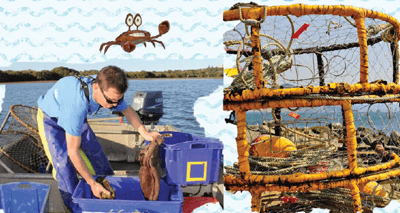
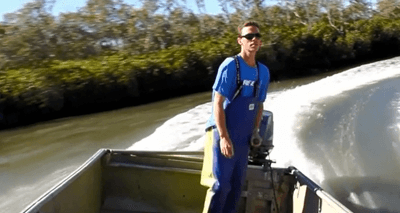
This is a picture book about the everyday life of a modern day fisher and how he looks after the environment he works in. It includes sections on mud crabs, fishing methods, reporting methods, transporting and handling mud crabs and cooking with mud crabs
Grade: F To
12
A video about the sustainable mud crab catch in New South Wales and how its prepared for our plates. Emphasises sustainable levels of fishing for the long term future of the industry.
Grade: 9 To
12
Planet Natural's go-to guide for making nature's most rewarding soil amendment. Information on making your own compost and maintaining the process no matter which composting method you've chosen. There's basic techniques and time-tested wisdom as well as
Grade: 11 To
12
This program harnesses the energy and leadership drive of youth to forge cross-community partnerships to improve economic, environmental and social sustainability. It focuses on increasing the adoption of sustainable farm management practices, including c
Grade: 7 To
12
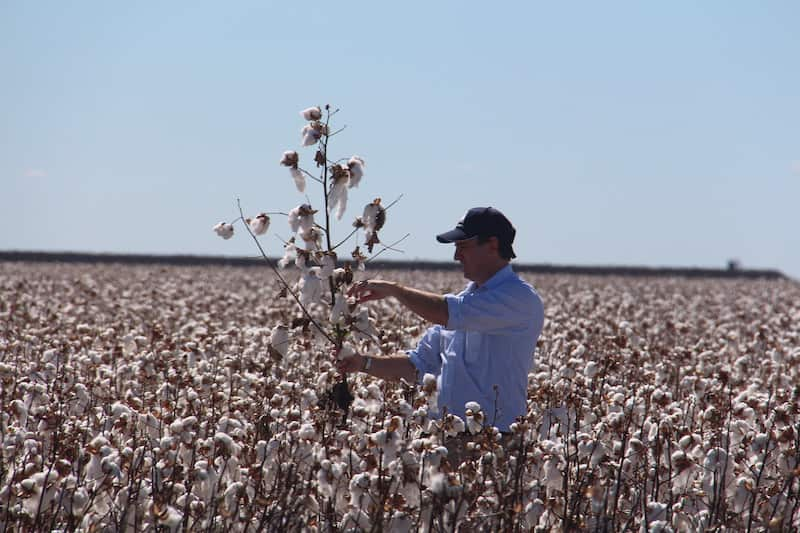
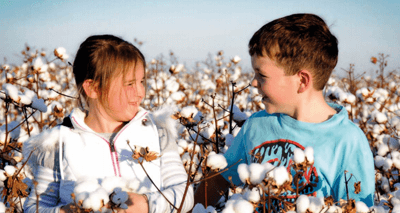
Cotton Australia's Cotton Education Kit is designed for year 7-12 teachers and students, but also works as a useful tool for primary school teachers and tertiary educators.
Grade: 9 To
12
A series of facts sheets by Cotton Australia that can be read on-screen or downloaded as pdf files. Topics on the Australian cotton industry include history, biodiversity, biotechnology, climate change, growth cycle, water use efficiency, economics, expor
Grade: k To
2
For Science and Technology, Sustainability. 5 lesson unit with complete lesson plans, slides and videos exposing students to the lifecycle of a ladybird, its habitat and role in the ecosystem of a cotton farm. See inside the unit for contacts for real lad
Grade: 7 To
12
The Cotton Pest Management Guide is the industry’s premium resource for insect, mite and weed control, disease prevention, biosecurity and spray application information.
Grade: 7 To
12
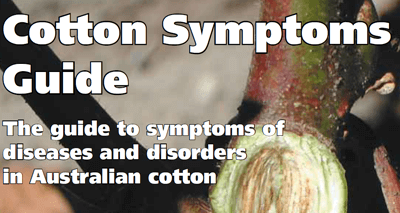
A guide to symptoms of diseases and disorders in Australian cotton. Includes sections on symptoms, diseases, bio-security threats, herbicides, insect damage, soils and their constraints, environmental symptoms, nutrition deficiency and cotton surveying.
Grade: 3 To
4
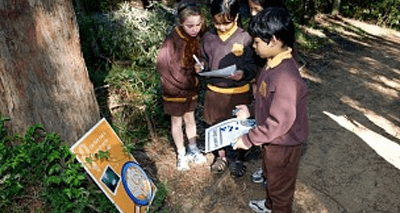
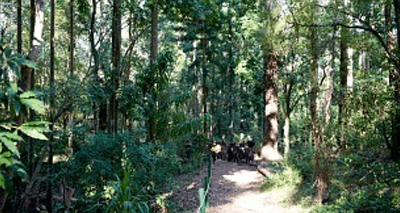
An informative and practical booklet for a teacher guided excursion to the Cumberland State Forest. Providing information on forest trails with booking details for the excursion, an introductory walk on the Forestry Trail, activities to conduct on the Sen
Grade: 11 To
12
This lesson plan involves Year 11 Geography students attending an excursion through the Cumberland State Forest. The focus is on a geographical investigation of biophysical processes and how an understanding of these processes contributes to sustainable m
Grade: 9 To
9
This lesson will guide Year 9 Geography students through the Cumberland State Forest. Students will understand ways in which geographical understanding contributes to the sustainable management of sites affecting the Australian environment.
Grade: 11 To
12
This lesson plan guides Year 11 Earth Science students through the Cumberland State Forest. The focus is on the local environment and how the properties of local soils affect the local biological environment. Students will analyse the ways in which the ve
Grade: 7 To
12
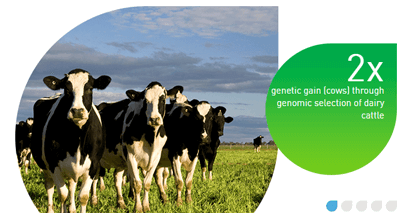
The Dairy Futures CRC website uses a range of digital media to bring to life how bioscience can benefit dairy farm businesses. The website includes items describing the CRC’s projects from a farmer’s perspective and includes short animations that tell the
Grade: 8 To
8
A teacher guide and power point presentation for learning outcomes: explain why different types of businesses exist and describe the different ways businesses can respond to opportunities in the market; develop questions and gather relevant data and infor
Grade: 7 To
7
A teacher guide to help explore where science fits in paddock to plate. Covers 'science understanding influences the development of practices in areas of human activity such as industry, agriculture and marine and terrestrial resource management'. ACSHE1
Grade: 5 To
5
This unit consists of a pdf resource and two supporting videos. It has five inquiry teaching sequences about food and fibre production in the past. It includes sections on different meanings of the terms associated with food and fibre production; Aborigin
Grade: 5 To
6
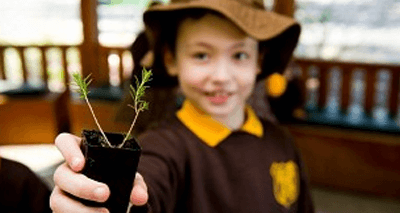
Earth Alive is a 10-week action based science unit of work suitable for students in Years 5 & 6, focusing on authentic scientific investigation resulting in local action. The program investigates biodiversity in the school grounds and culminates in a Scho
Grade: 5 To
8
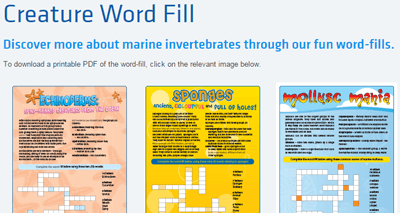
A downloadable word fill activity related to echinoderms, molluscs, crustaceans and other sea creatures. Teachers can instruct students to rearrange the letters in the shaded boxes to find the missing word
Grade: 5 To
10
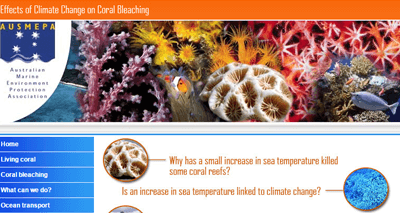
A series of web pages and photos, including downloadable curriculum materials and student activity sheets. In this unit of work students will discover why coral reefs are being damaged by increases in sea temperatures, and how this can be linked to climat
Grade: 7 To
12
A list of fiction texts suitable for use in schools by English teachers to bring an agricultural flavour to their lessons. For years 7 to 12.
Grade: 4 To
6
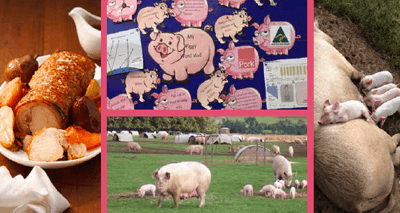
This unit aims to help teachers and students in primary schools investigate sustainable resource management practices involved on an Australian pig farm. It also introduces and explores some of the concepts of onsite power generation and farming more sust
Grade: 3 To
6
Nearly everyone has a pair of jeans in their wardrobe. It's one of the world's favourite cotton products, dating back to the Middle Ages. But have you ever wondered where they came from? This resource is a beautifully produced 10 page online slide show to
Grade: 5 To
6
This unit consists of a pdf resource and two supporting videos. It has five inquiry teaching sequences about where our meat and wool comes from. It includes sections on food we eat and fibre we use and wear; where food and fibres come from; ways of produc